
Cash Flow Problems Despite Profit? Why Growing Businesses Still Run Short of Cash
Many business owners assume that a profitable business should naturally have money in the bank. If the business is making money, cash shouldn't be a problem. Unfortunately, that's not always the case. In reality, some of the fastest-growing and most profitable businesses experience ongoing cashflow pressure.
The reason is simple: profit and cash are not the same thing.
Understanding the difference is critical for business owners who want greater control, confidence and visibility over their financial position.
Profit Does Not Equal Cash
Profit is an accounting measure. Cash is what is available to pay wages, suppliers, tax obligations and loan repayments. A business may recognise revenue today but not collect the cash for 30, 60 or even 90 days. At the same time, expenses such as payroll, rent, superannuation and GST often need to be paid long before customer payments are received.
For example, a professional services business may complete a project and issue an invoice immediately. The revenue appears in the profit and loss statement, but the cash may not arrive until several weeks later. On paper, the business looks healthy. In reality, cashflow can still be under pressure.
Many businesses do not fail because they are unprofitable. They fail because cash runs out before profit turns into cash.
Growth Often Consumes Cash Before It Creates It
Many business owners believe growth will solve cashflow challenges. Unfortunately, growth often creates additional pressure. As businesses expand, they frequently need to:
Hire additional staff
Increase inventory
Invest in systems and technology
Take on larger projects
Extend customer credit terms
All of these activities require cash before additional revenue is collected. A business can therefore be profitable and growing while simultaneously experiencing increasing cashflow pressure. This is one of the most common issues encountered in founder-led businesses.
Poor Visibility Makes Cashflow Problems Worse
Many businesses manage cashflow by checking the bank balance. Unfortunately, the bank account only tells you where the business is today. It does not tell you where the business will be in four, eight or twelve weeks. By the time a problem becomes visible in the bank account, management options are often limited.
This is why growing businesses benefit from short-term forecasting and structured management reporting. A rolling 13-week cashflow forecast allows management to identify upcoming challenges such as:
BAS obligations
Payroll commitments
Loan repayments
Seasonal downturns
Major supplier payments
before they become urgent.
Good decisions require forward-looking visibility.
Debtor Management Has a Bigger Impact Than Most Business Owners Realise
Cashflow pressure often stems from the speed of cash collection rather than profitability. Common indicators include:
Invoices being issued late
Customer follow-up occurring inconsistently
Payment terms not being enforced
Customers taking longer to pay over time
At the same time, many businesses continue paying suppliers promptly even when their own customers are paying late. Small improvements in debtor management can significantly improve cashflow without generating a single additional dollar of revenue.
Cashflow Problems Are Usually Operational Problems
Many cashflow challenges are not caused by finance issues alone. Cashflow pressure can be driven by:
Weak internal processes
Capacity constraints
Poor project planning
Founder dependency
Pricing decisions
Ineffective reporting
Many cashflow problems are not financial problems at all. They are often symptoms of operational inefficiencies, poor visibility or weak decision-making processes. This is why the most effective solutions typically combine financial, operational and management improvements.
Focusing only on the numbers rarely solves the underlying cause.
Warning Signs Your Business May Have a Cashflow Problem
Cashflow issues rarely appear overnight. Common warning signs include:
Debtor days are increasing
Payroll is becoming harder to fund
BAS payments create ongoing stress
Revenue is growing but cash balances are declining
Management relies on the bank balance rather than forecasts
Working capital requirements continue to increase
The earlier these signs are identified, the more options management has available.
What Successful Businesses Do Differently
Businesses that maintain strong cashflow typically focus on four areas.
1. Forecasting
They use short-term cashflow forecasts to identify future risks early.
2. Visibility
They receive management information that explains what happened, why it happened and what requires attention.
3. Discipline
They actively manage debtor collections, payment terms and working capital.
4. Decision-Making
They make decisions using forward-looking information rather than relying on instinct alone.
Final Thoughts
Cashflow problems are rarely caused by poor sales alone. More often, they are the result of timing differences, growth demands, limited visibility and operational challenges.
Profitability remains important. However, profit does not pay wages, suppliers or tax obligations. Cash does.
Businesses that understand the difference are better positioned to manage growth, reduce stress and make confident decisions. The objective is not simply to understand what happened last month.The objective is to understand what is likely to happen next and to act before cashflow becomes a problem.
Need better visibility over future cashflow?
A simple 13-week cashflow forecast can often identify issues before they become critical and provide management with greater confidence when making decisions.
Learn more about our Business Health Check or contact AMD Advisory to discuss your business.
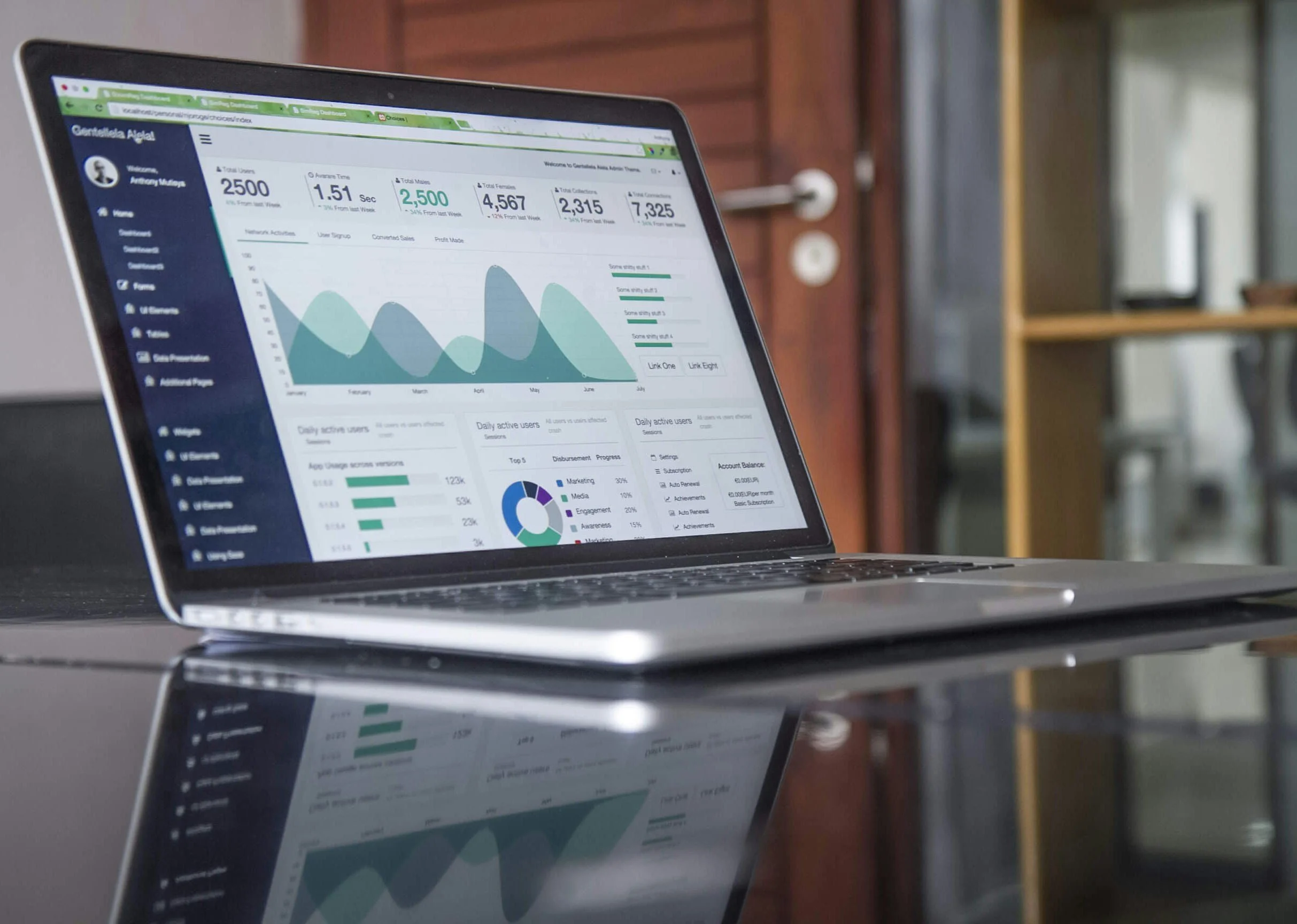
Strong businesses monitor future cashflow, not just current profitability.
Frequently Asked Questions
Can a profitable business still have cashflow problems?
Yes. Businesses often recognise revenue before cash is collected. This can result in strong profits while cash remains under pressure.
What is a 13-week cashflow forecast?
A 13-week cashflow forecast is a short-term planning tool that allows businesses to estimate future cash receipts and payments to identify potential cashflow risks in advance.
Why does growth create cashflow pressure?
Growth often requires businesses to hire staff, purchase inventory, invest in systems and fund working capital before additional revenue is collected.
How can businesses improve cashflow visibility?
Businesses can improve visibility through regular management reporting, cashflow forecasting, debtor management and proactive working capital planning.
Where to Next?
If you're looking to improve visibility, decision-making and business performance, you may also be interested in:
Business Health Check
Identify the key financial, operational and governance risks impacting your business.
Monthly Executive Brief
A concise management reporting framework focused on insights, decisions and accountability.
13-Week Cashflow Forecasting
Improve visibility over upcoming cashflow risks and opportunities.
Fractional CFO, Operations & Governance Advisory Services
Strategic support for business owners seeking greater control, scalability and performance.
About the Author
Alex Goh CA AGIA is the founder of AMD Advisory Group, a Sydney-based business advisory firm helping growing businesses improve financial performance, operational effectiveness and governance.
With experience spanning KPMG, EY, Woolworths Group, Fisher & Paykel Appliances and Endeavour Energy, Alex works with business owners to improve visibility, strengthen decision-making and build more scalable businesses through practical commercial advice.
AMD Advisory Group
AMD Advisory Group helps founder-led businesses improve:
Financial Performance
Operational Performance
Governance & Strategic Oversight
Services include:
Fractional CFO Services
Operations Advisory
Governance Advisory
Business Health Checks
Management Reporting & Executive Briefs
Cashflow Forecasting & Planning
Strategic Business Advisory
Website: www.amdadvisory.com.au
Email: hello@amdadvisory.com.au
Phone: (02) 9059 8257
